Every time we schedule corporate headshots, someone asks: "What should I wear?"
The anxiety is real. You're about to get your photo taken for the company website, LinkedIn, press materials—places where it'll sit for the next 2-3 years. You don't want to look back six months from now and regret the outfit choice.
So here's the practical breakdown—what works, what doesn't, and why it matters.
The Goal: Look Like Yourself, But Professional
Headshots aren't fashion photography. The goal isn't to impress people with your wardrobe—it's to look competent, approachable, and like someone they'd want to work with.
That means:
- Your face is the focus, not your clothes
- Your outfit should match your industry norms
- The photo should feel current for at least 2-3 years
Think about it: when you look at someone's LinkedIn profile, you're evaluating their professionalism and credibility. Their shirt choice matters, but only if it distracts from that evaluation.

What Actually Works: The Safe Choices
If you want to skip the decision paralysis, here's what works for 90% of professional contexts:
For Conservative Industries (Finance, Law, Consulting)
- Men: Dark suit (navy, charcoal, black), white or light blue dress shirt, conservative tie optional. Skip the tie if your company culture leans business casual.
- Women: Blazer (navy, black, charcoal) over blouse or shell top. Solid colors, minimal jewelry. Professional but not stiff.
For Business Casual Environments (Tech, Creative, Nonprofit)
- Men: Button-down shirt (solid or subtle pattern), sweater over collared shirt, or polo if that's your norm. Skip the tie. Blazer optional.
- Women: Blouse, professional sweater, or tailored top. Blazer if it matches your style, but not required. Avoid anything too casual (no t-shirts or tank tops).

General Rules That Apply Everywhere
- Solid colors over patterns. Busy patterns create visual noise. Thin stripes can cause moiré effects (weird digital artifacts). Solid = timeless.
- Neutral tones photograph best. Navy, charcoal, black, white, soft gray. If you want color, go with jewel tones—emerald, sapphire, burgundy.
- Avoid extreme contrast. All-black or all-white outfits lose definition on camera. Add contrast with a different-colored top layer.
- Make sure it fits. Wrinkled, too-tight, or ill-fitting clothes show up on camera. If you need to get something tailored, do it. A $30 alteration saves you from regretting the photo for three years.
Quick tip: When in doubt, go one level more formal than your daily work attire. You can always remove a jacket between shots, but you can't add formality in post-production.
What to Avoid: The Headshot Killers
Here's what doesn't work—and why photographers will subtly suggest you change if you show up wearing these:
1. Sleeveless Tops
They're fine for casual settings, but in headshots they look unfinished. You want your outfit to frame your face, not cut off visually at the shoulders.
2. Logos, Brands, or Text
Unless you're intentionally repping your company's branded polo, skip anything with visible logos. It dates your photo and distracts from your face.
3. Busy Patterns or Thin Stripes
Pinstripes, houndstooth, tight checks—they all create visual noise on camera. Some patterns cause moiré effects (strange wavy patterns that show up digitally). Solid colors are safer.
4. Neon or Extremely Bright Colors
Bright reds, oranges, and yellows glow on camera. They reflect light onto your face and create color casts. If you want to wear red, go with a deeper burgundy.
5. Turtlenecks (Unless That's Your Thing)
Turtlenecks add visual bulk to your neck and can make your head look disconnected from your body. If you wear them daily, fine—but if you're choosing an outfit just for the headshot, skip it.
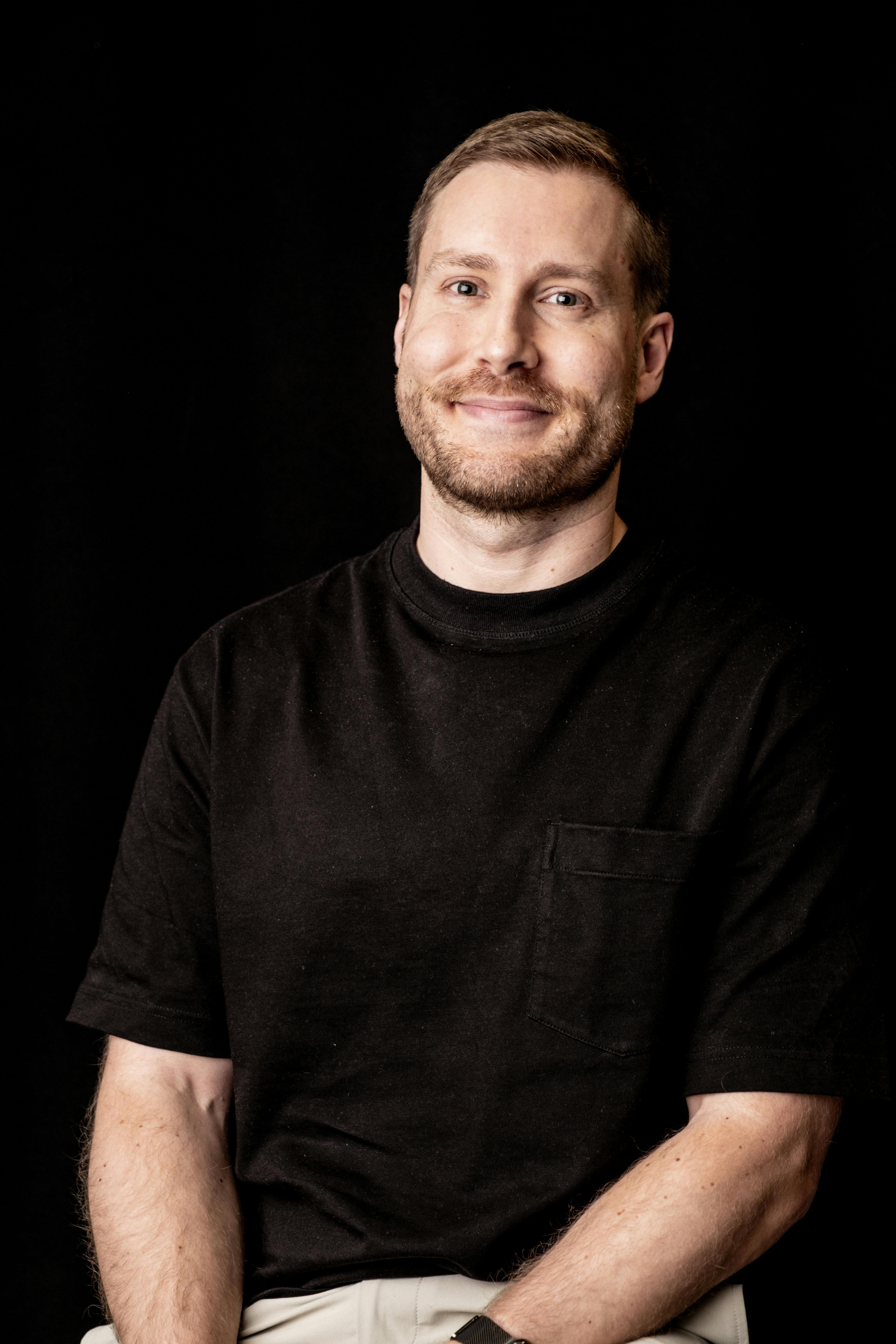
6. All-White or All-Black Outfits
All-white blows out detail. All-black can look flat and lose dimension. Add contrast—black blazer over a lighter shirt, or a dark top with a lighter jacket.
Should Your Whole Team Match?
No.
Uniformity looks forced. You're not a boy band. You're a team of professionals.
Instead of matching outfits, aim for consistency in formality level:
- Everyone in business formal (suits, blazers)
- Everyone in business casual (button-downs, blouses, sweaters)
- Everyone in smart casual (polos, professional tops)
Give your team general guidelines—"business casual, solid colors, no logos"—and let them interpret within those boundaries. The goal is cohesion, not cloning.
Accessories: Yes or No?
Jewelry, glasses, watches—these are fine. But keep it minimal.
- Jewelry: Small earrings, simple necklace, wedding ring. Skip anything large, dangling, or reflective (big hoop earrings can cast shadows, chunky necklaces compete with your face).
- Glasses: Wear them if you normally wear them. Just make sure they're clean and glare-free (your photographer will adjust lighting to minimize reflections).
- Watches: Fine to wear, but avoid anything flashy unless that's genuinely your style.
The rule: if you'd wear it to an important client meeting, wear it for your headshot. If it's something you only wear on weekends, skip it.
Hair, Makeup, and Grooming Notes
This isn't a full beauty guide, but here are the practical bits:
- Hair: Wear it how you normally wear it. If you always wear your hair down, don't pull it back for the headshot. If you always wear it up, don't change it. The photo should look like you.
- Makeup (if you wear it): Go slightly more polished than your daily routine. Camera lights can wash you out, so a bit more definition helps. Avoid anything shimmery or glittery—it reflects light weirdly.
- Grooming: Get a haircut 3-5 days before the shoot (not the day of—fresh cuts can look too sharp). Clean-shaven or neatly trimmed beard. No stray hairs or visible grooming gaps.
What If You're Doing Headshots for a Large Team?
If you're coordinating headshots for 20+ people, send a simple style guide one week before the shoot. Here's what to include:
- Formality level: Business formal, business casual, or smart casual
- Color guidance: "Solid colors preferred—navy, black, white, gray, jewel tones. Avoid neon, logos, and busy patterns."
- What to avoid: Sleeveless tops, turtlenecks, all-white or all-black outfits
- Grooming reminder: "Wear your hair and makeup as you normally would for client meetings."
- Backup option: "Bring a second outfit option if you're unsure—we can do a quick test shot and adjust."
Don't overthink it. Give clear guidance, trust your team to execute, and your photographer will handle the rest.
Pro tip: Have your team arrive 10 minutes early with a lint roller, wrinkle spray, and a mirror. Last-minute fixes solve 90% of wardrobe issues before the camera even turns on.
My Honest Take
After shooting hundreds of corporate headshots, here's what I've learned: the best headshot outfit is the one you forget you're wearing.
If you're constantly adjusting your collar, tugging at your blazer, or feeling self-conscious about your shirt choice, it shows in the photo. You look stiff. Uncomfortable. Like you're trying too hard.
But if you're wearing something that fits well, feels professional, and matches how you normally present yourself? You relax. You look confident. The photo feels natural.
So yes, follow the guidelines—solid colors, proper fit, appropriate formality. But more importantly, wear something that feels like you. The goal isn't to look like a stock photo model. It's to look like the professional version of yourself.
Final Checklist: What to Bring to Your Headshot Session
- Your primary outfit (matching guidelines above)
- A backup outfit option (in case you change your mind)
- Lint roller (for last-minute fuzz removal)
- Comb or brush (for quick hair touch-ups)
- Any daily accessories you normally wear (glasses, watch, minimal jewelry)
- Confidence (seriously—half the battle is showing up relaxed)
That's it. No need to overthink it.
Need Professional Headshots for Your Team?
We shoot corporate headshots in NYC—on-location at your office or in-studio. Fixed pricing, fast turnaround, no surprises.
Get a Quote →